

Wanna Recover From Your Eating Disorder? Psych! This Ain't The Place Or The Way
When I finally asked for help after three decades of anorexia and bulimia, I got treated like a criminal. Everyone's talking about eating disorders, but has the treatment industry stepped up?
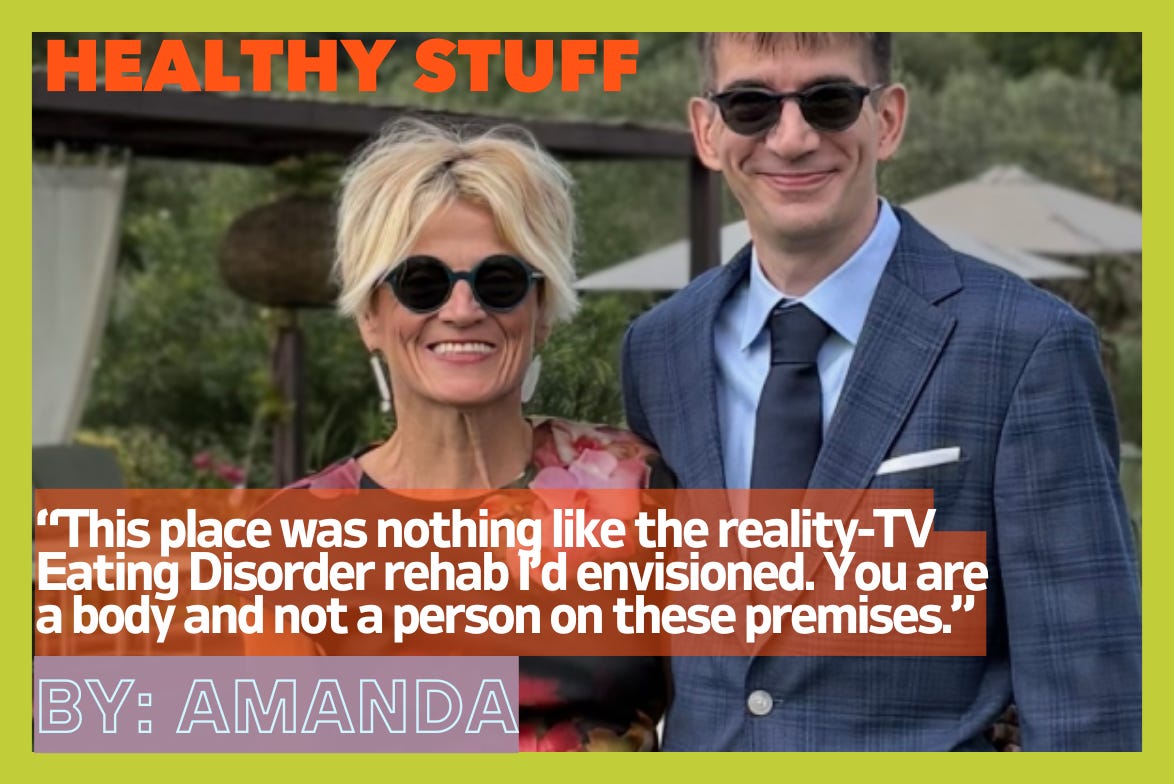
Hi again Sweaties!*
When GLP1s first got to be so prevalent, I said to my friend Michael (yes, that one and yes, that was a wholly unnecessary name-drop), “Maybe it will become less valued to be thin, now that it is so widely available (cost notwithstanding) and easily achievable (some crappy-sounding side effects notwithstanding).” I for one consider it an even stronger statement - and chic - to be chubby or whatever version of not-thin a person likes to be or naturally is now. I feel especially this way about people in those industries or roles where they are expected and often pressured to look a certain way. I'm not going to name them here, but let's all give them our ongoing praise for standing up to all that. Anyway, Michael knew better and was right that that shift toward devaluing thinness doesn’t seem to be happening anytime soon.
When I was doing Sassy magazine (here goes grandma with her old-days stories again!). I very consciously never published anything diet-related. Rather, we celebrated health and enjoying food, all hoping to better influence that generation of mainly girls (hi, my original Sassy readers – you all know who you are! And so do I!). I continued this with Jane magazine, where the monthly food column was called “EAT” and where our sports coverage was actually about sports and athleticism and never about making your body look a certain way while doing it. I have recently been hearing a LOT from you Sassy and Jane readers about missing that difference compared to all the “look exactly this one way” messages because… Here we are again. And it’s even more extreme and prevalent this time.
Naturally following from that, everywhere you look there is another comment thread or article about eating disorders - to the point where I didn’t know what could be achieved by running another one. Until I got this beautifully written and unexpected take from wonderful Amanda. One thing Amanda said to me as we emailed and mostly texted for months about the idea of running her story was that “there is no triage for an eating disorder.” Hell! Why isn’t there more of a dedicated effective treatment program for this deadly set of diseases? Anyway, here’s Amanda’s saga and if you read it to the end, you’ll see some good news and I would love for you to talk to her more about it in the comments so she knows she’s far from alone and that we all support her. And because this piece is free, you all can comment and talk to me and Amanda and each other as much as you like. I will go hang out there now, as it is my favorite place. Say anything and everything. Don’t overthink it, as I most certainly don’t!
My last point here about this story: When we scrutinize or judge other women’s bodies, when we tell them publicly or privately that they need help, let’s also look at how not easy that is.
I love you (and you are my longest-term relationship),
Jane
*No shade - pun intended. It’s just a global warming fact. I hope you all are hanging in there and also, you look great when you’re sweaty.
PS In one of our many lengthy text exchanges, Amanda was on a car trip (presumably not driving) and sent me the photo below to remind me how far we have not come and how much work there is to do. I asked her to text me a caption and here is that too….

PPS Here’s an update: If you take out an Annual or Lifetime Subscription (live long for the best deal ever) you will receive in the mail a free piece of art and a statement about what we need more of in this current world – all in the form of a shirt. Yes, it’s a Sassy shirt (which you can also buy here if you don’t like free-with-purchase or don’t like this website or whatever). I have written with some of you about this individually (which I LOVE), but if you did already take out one of those subscriptions since the promotion began last month, please write to me Jane@AnotherJanePrattThing.com and Charlie@AnotherJanePrattThing.com with the subject line LET’S MAKE THE WORLD MORE SASSY. Include your mailing address, size and shirt choice (there are so many good new colors!) and the email address you used to subscribe. We will send your free shirt right out.
By Amanda Long
The wait is the first red flag, in what would turn out to be a factory of them. Surely, I think, fidgeting next to my husband in the lobby of the mental health hospital, that once you decide you want help for your three-decade eating disorder, the reception would be, well, receptive. Nope. Friday, apparently, is a bad day to get better.
You’re getting the weekend staff, an abbreviated intake until the docs arrive Monday, and no “programming.” They tried to warn us off when we called the mental health hospital just four miles from our home, but my husband and I were resolute. It had taken me so long to relent to the inevitability of inpatient treatment and Reflections, as this hospital’s ED treatment center is known, sounded like just the ticket. I was in a lot of pain and couldn’t be picky. I just wanted a fucking break.
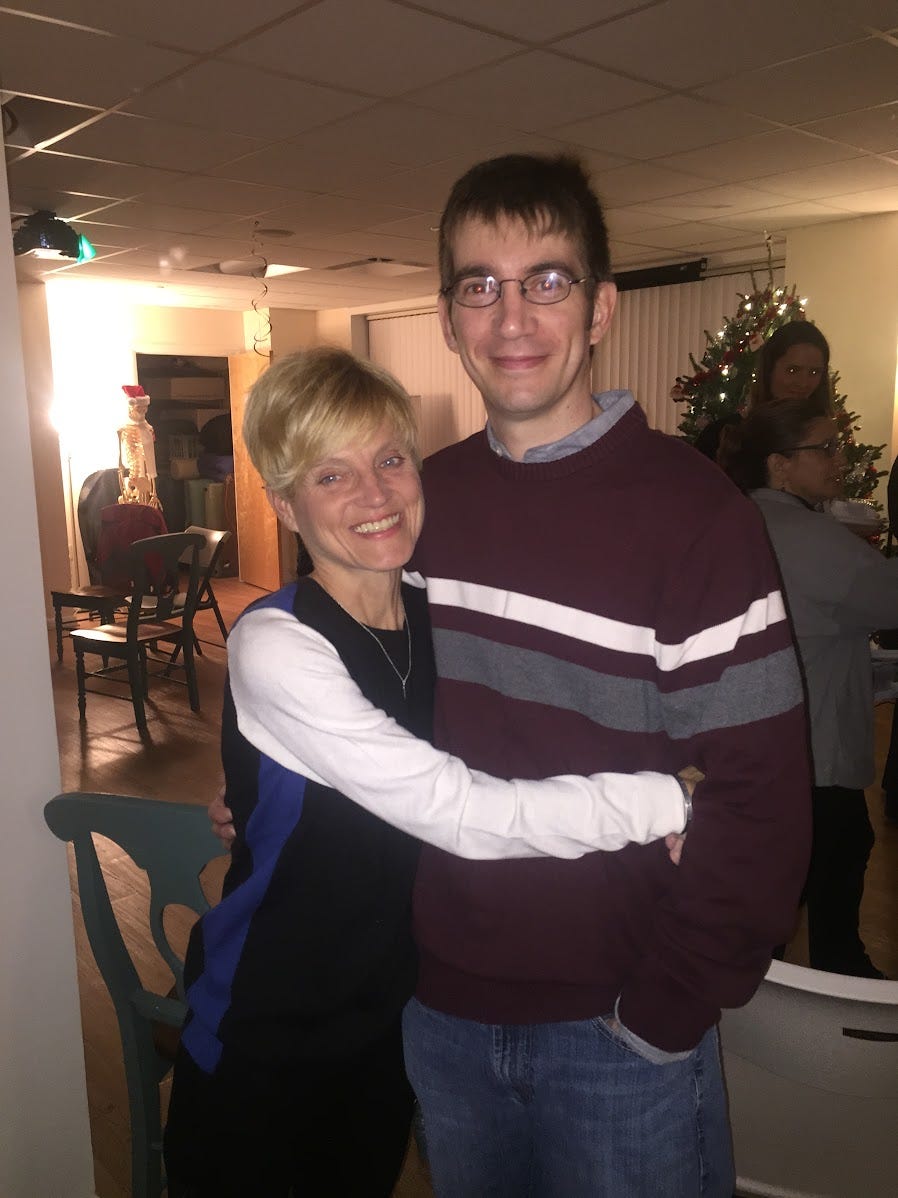
When I first sought treatment — no, that’s not right — when I was first told I needed treatment, I was a freshman in college. Floor mates heard me throwing up in the communal dorm bathroom and told the RA, Mo, a kind lesbian who wore men’s shorts year-round and would turn out to be the kindest voice in that first go at getting better. The problem was I didn’t want to get better, and no one seemed to notice. The two-week outpatient program was at the nearby hospital, meetings every weekday evening, and one shared meal a week. The room was full of sorority girls who were at my goal weight and I felt the competitive edge in the air as soon as we gathered in a circle. By the end of two weeks, I got better at hiding my binges, packing lunches I’d never eat, and finding bathrooms around campus.
In the 30 years since, my attempts at treatment have been laughable if Carrie Fisher were telling the story. When I first saw a therapist in my late 20s, insurance paid for 15 visits. “It took me 28 years to get this way, how I am going to get better in 15 visits,” I said to the therapist, explaining I couldn’t afford to keep going. I was already wasting money on the co-pay, because no matter what I said in her Lake Shore Drive office, I was still following every rule of my eating disorder. But like the aforementioned Carrie, I can make you laugh and spin a good yarn and before you know it, the 50 minutes are up.
“I was 43 and my hips, feet, and legs were like frayed tires from too many miles running on empty.”
I had plenty of trauma to blame my disorder on — dad dead at age six, Mom’s alcoholic, abusive boyfriend coming in and out of our house, money drama all during my formative years. But I never actually wanted to gain weight. I wanted to stay skinny. I wanted the order of the disorder. Nobody could tell me why it felt so good to go so long without food. No one was talking about dopamine deprivation back then, or ADHD, anxiety, or any of the other comorbidities now associated with eating disorders. I was prescribed antidepressants that made me gain weight, which I, of course, stopped taking. One therapist completely ignored my 98-pound frame, complimented me on my fitness rigor, and kept candy on the table between us that I sucked on and cried. To be fair, I found these therapists through websites and insurance companies. Very few until the last decade specialized only in eating disorders and I was shopping for ones who wouldn’t call me out on my jutting ribs and eating habits — and getting away with it.
I’d given up on treatment by the time my body started begging for a break. I was 43 and my hips, feet, and legs were like frayed tires from too many miles running on empty. So that’s why I was headed to a mental health hospital that day in December of 2015; I gave in and told my husband I needed help. What I wanted was a Lindsey Lohan break from a life that expected me to live without my coping mechanism. What I got was a reminder that eating disorder treatment is not one size fits all and often more dehumanizing and lonely than the cycle of restriction, intense exercise, and purging.
We arrive around 11 a.m., sign in, and barely register a “How do” from the front desk staff, who are busy deciding what to order for lunch. Robert and I sit in the dim lobby for at least 45 minutes while Carla Hall and Clinton Kelly trade tips on healthy, holiday eating, and festive ways to stay fit on “The Chew,” blaring from the wall-mounted TV. Who puts a cooking show with exercise tips on in the lobby of an eating-disorder treatment center? This place! To be fair, all kinds of crazy are treated here, but “eating disorders” are front and center on the hospital’s home page.
We return to the reception desk to inquire about the wait; a counter-top Christmas tree of Charm Blow Pops (my preferred lunch for most of my 20s) tempts my still candy-coated taste buds. My particular brand of ED runs on 7-11: candy, caffeine, and aspartame. I consider making a joke about how tempted I am to smuggle a sucker onto the eating-disorder floor, but already know this ain’t my audience.
Before the wait is over, a Papa John’s driver and a police car will pull into the parking lot, one delivering lunch, the other a patient who’d attempted suicide.
We do a cursory intake in a tiny, dirty office the size of a closet. It’s mostly administrative; I don’t recall anyone asking how I feel. Every part of me is hyper-sensitive to how ugly, loud, and uncomfortable everything here is. The hard chairs, the harder stares, the off lighting, “The Chew” of it all. It all feels dirty, overused.
This next part, when we board the elevators to the eating disorder floor, is all a haze, the color of a dirty kitchen sponge. Is Robert still with me? Did we say goodbye in the tiny office? I don’t, or can’t, recall.
The elevator doors shut and a wired, locked contraption closes over them. I feel metal in my mouth.
“The sharp edges of a scapula and grayish hair poke out from under a thin blanket. Is this woman OK? Is she alive, asleep, aware of my hovering over her? No one else seems worried.”
In the hot cage of the elevator it becomes clear that this place is nothing like the reality-TV rehab I’d envisioned: no quiet, sunlit hospital beds, no privacy, no tender care for my pain, no goddamn rest, no retreat. At best, I am an inconvenience here; at worst, a privileged brat demanding care, doctors’ schedules be damned. My weekend arrival feels as if I’m already doing it wrong.
Off the elevator and straight to the brightly lit, high-counter-topped nurse’s station, where my guide and I stop to store my suitcase full of soft clothes. The suitcase, someone informs me, will stay there, shoved alongside six or seven others, for the duration of my stay. Why can’t I have access to my things? You’ve already searched it for contraband. You know how old ladies rifle through their purses for comfort? There would be no agency of access here, no soothing by the sight of my stuff, no fondling of familiar hoodies. The message is becoming abundantly loud and clear: You are a body, not a person on these premises – the exact sentence I am trying to escape.
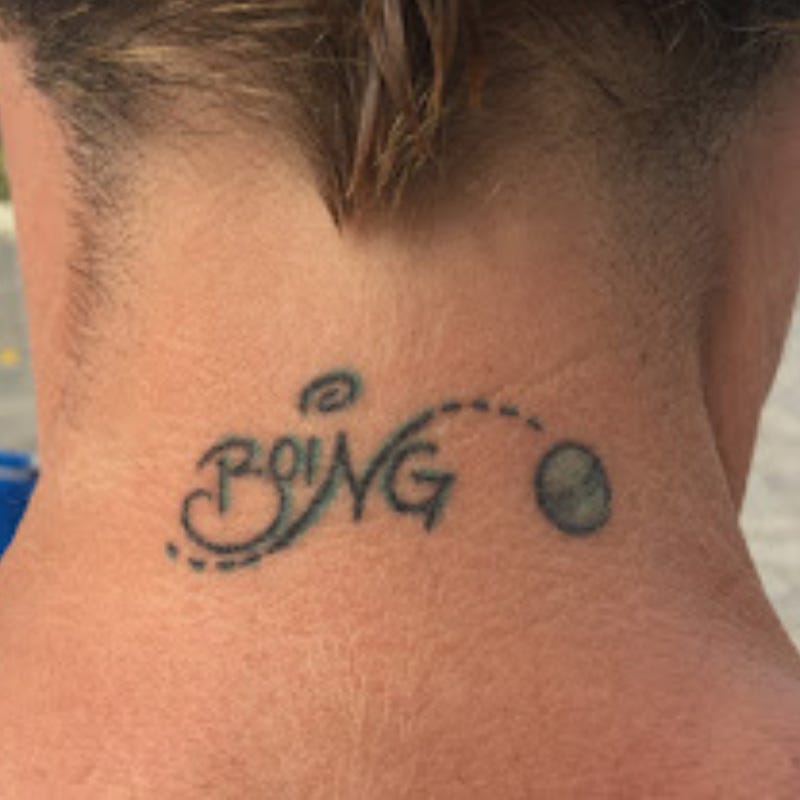
I don’t have it in me to argue; still hoping for “good patient” status. I follow the nurse down a short corridor. I recall nothing about this woman’s face or entire demeanor; this frightens me still. I am my family’s memory vault, the friend who recalls what we did during that Spring Break, which teacher got fired in high school for what, and who in our freshmen class at IU was on “The Real World.” I can remember with clarity the lean, sun-browned face and Merit Ultra Light smell of a Girl Scout counselor from 1982, the outfit I wore the first day of sixth grade. In this washed-out, cold space, I am already losing my senses.
“You can’t color in the book,” the clear leader of the residence scolds. “We have to share. You have to Xerox the page, and color on the copy.”
A door opens to a narrow, communal bedroom, a row of four single beds on each side of the room, like a nursery, or TB sanitorium. At 43, I hadn’t shared a room with this many other humans since senior-year cheer camp at a repurposed Kentucky army base. And at least, in those hot barracks, we had bunk beds, and the ability to keep our Neutrogena (and friends) nearby.
The nurse explains that without any formal programming on the weekends, I am left to hang out in the common room with my fellow residents until dinner. The linoleum-floored room feels like an adult day care, with nursery-school influences, right down to the saddest karaoke machine, that I imagine whisking away to a slumber party or bachelorette weekend. All surfaces are nonporous, Clorox-wipe-friendly, including the bench on which the sharp edges of a scapula and grayish hair poke out from under a thin blanket. Is this woman OK? Is she alive, asleep, aware of my hovering over her? No one else seems worried. I keep moving, looking for somewhere soft to land. My fellow residents keep a safe, cold distance. The craft table beckons, a last resort of sorts. What am I gonna do? Grab the karaoke machine and belt out “I Will Survive?”
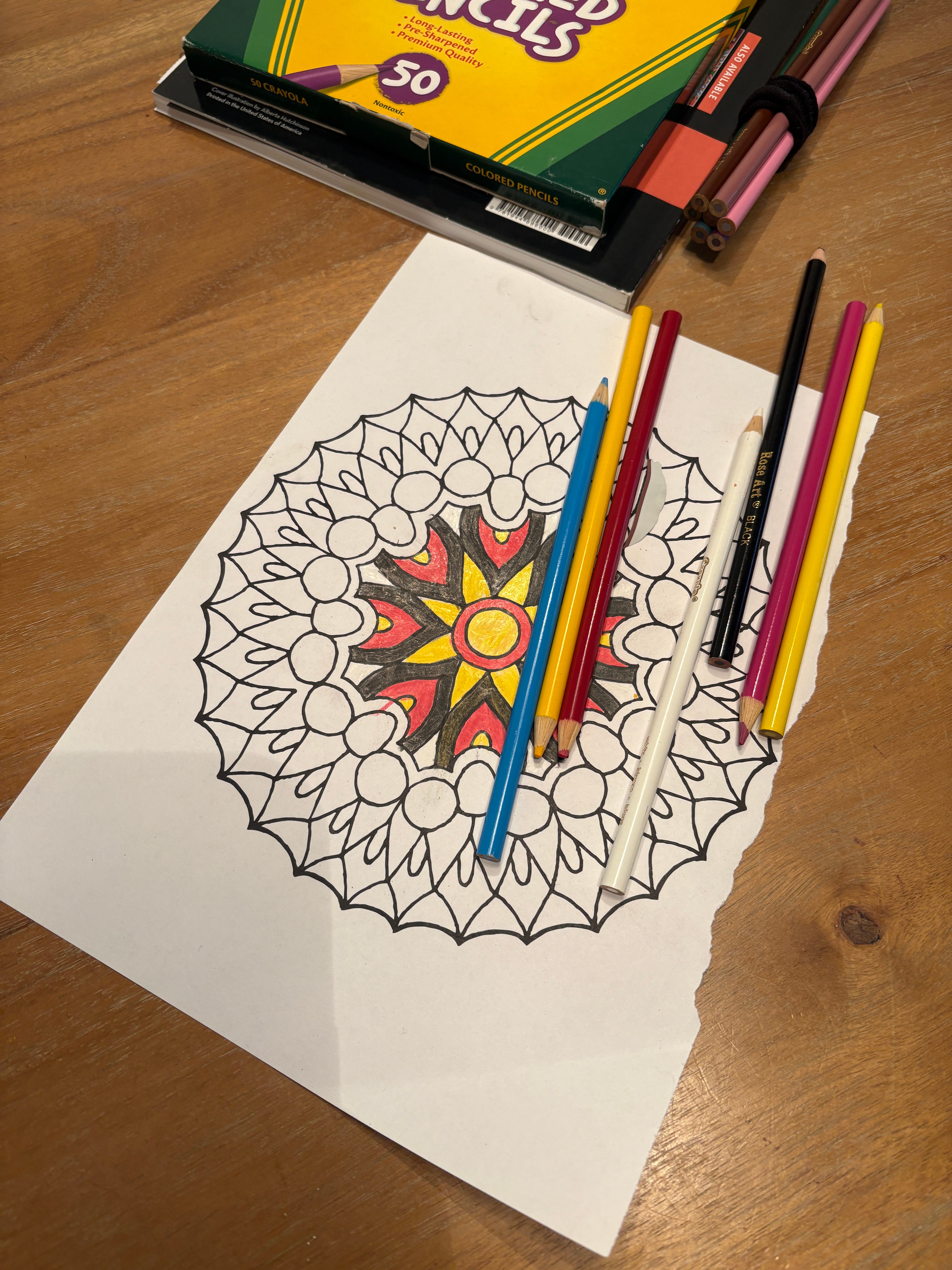
“You can’t color in the book,” the clear leader of the resident pact scolds, in my face with the speed of a predator, forever waiting to strike. She’s a knife of a woman in a dark hoodie. “We have to share. You have to Xerox the page, and color on the copy.”
What mental health facility is low on coloring books in 2015? This one.
Up next on the welcome committee: A red-headed, freckled boy of 12, wearing too-tight, too-short pants because his parents refuse to buy him bigger clothes. “You can’t wear those shoes,” he says, pointing to my Sauconys. I explain I have a foot injury from running and have special permission to wear these exact shoes with laces. He’s already moved on; no longer interested in my excuses.
Scoldy McShortpants (this place makes you mean) is leaving that day, so we gather for a graduation ceremony of sorts in another tiny room of plastic chairs arranged in a circle. He thanks all the mean girls for treating him like a little brother (!), avoids making eye contact, and admits he kinda, well, really wants to stay because his dad thinks he still eats too much and hadn’t lost enough weight.
“Someone passes around milk cartons and I immediately invent a lactose intolerance, taking advantage of the weekend staff. I avoid the milk, earning stares for more special treatment. First, she gets to wear tennis shoes, now water with dinner!”
Dinner time! I spot a Sysco-branded cart full of trays headed toward what looks like a staff break room. There’s a microwave, a counter, and two small round tables. If anyone had a sense of humor, I’d have joked that Salisbury Steak and mashed potatoes could have been the meal that got me kicked off “Fear Factor.“ Like, bring on the slimy worms; just don’t make me eat the meals Mom’s boyfriend Rudy had forced me to before leaving the table.
Someone passes around milk cartons and I immediately invent a lactose intolerance, taking advantage of the weekend staff and the lack of a full physical intake by a medical doctor. I avoid the milk, earning stares for more special treatment. First, she gets to wear tennis shoes, now water with dinner!
I’m finishing my mixed vegetables, telling myself the potatoes can’t be that mushy, when the lights start to flash and the fire alarm blares. You cannot make this shit up. The “saved by the bell” jokes start spinning out in my head, threading themselves into the perfect “If I were looking for a sign to get the fuck out” epic tale.
We file into the hallway. It’s just a drill. Or burnt popcorn. Or someone trying to escape. No one tells us. We just stand in the hallway, while our dinners get cold and I resolve to call my husband as soon as we’re back on the ward.
He hears me out. He hears me describe the loneliness, the lack of support, the crumbs in the keyboard of the computer they let me use to write emails to my friends, explaining that I’d only get worse here. He listens as I make the case: I deserve better. We all deserve better. I tell him about the Gomer Pyle-barracks bedroom, the coloring-book cop, the meanness of the place. I laugh manically about the fire alarm and the scared kid going home still scared. I promise that I will call my ex-therapist first thing the next morning.
I know for a fact that even if I don’t immediately feel better once I’m out of there, I will only get worse if I stay.
Robert is back within the hour, and I’m home in my own bed with the dog before midnight.
That morning, I had wanted only an escape, to go where no one knew me. Standing in that hallway, with alarms flashing, I felt the full power of that exclusion, of being unknown, unseen.
How could I recover when I wasn’t even there?
Epilogue: The next morning, I call Sapna, my ex-therapist, from bed.
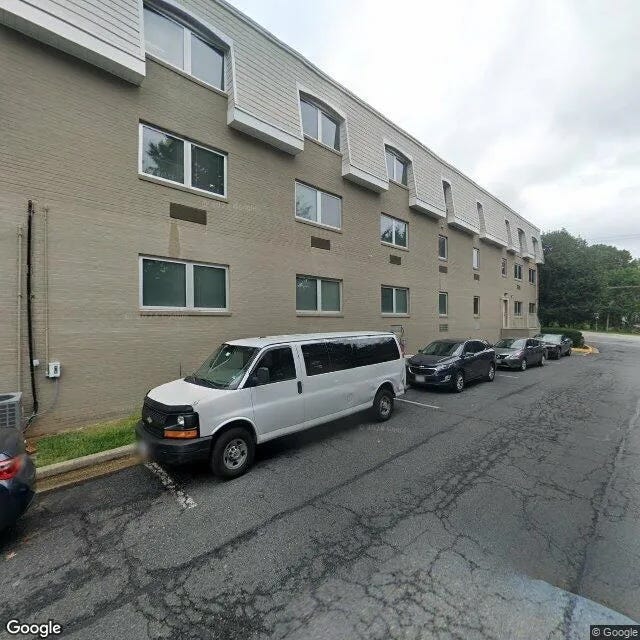
Eighteen months later, Robert drives me to a recently opened residential treatment center, one that Sapna found, housed in a house of all things, set in a gorgeous tree-filled neighborhood. The light spills through all gazillion windows. I hang my soft clothes in a closet in my own room. The coloring books are everywhere, for everyone.
I still beat myself up for not picking the right place, for doing it wrong, for wanting so badly to get help RIGHT FUCKING NOW (then). But that’s asking too much of those in pain — to triage and make sense of the chaos.
Jane, I love that you and Michael have such conversations. And I love that Sassy didn’t have weight loss garbage. I know I didn’t notice it at the time, but I also know that’s one of the reasons why reading Sassy left me feeling good, unlike other magazines.
Amanda, this is a great piece of writing. I don’t have anything to add other than it’s a travesty that treatment so often mimics punishment.